History
Lourdes
1858
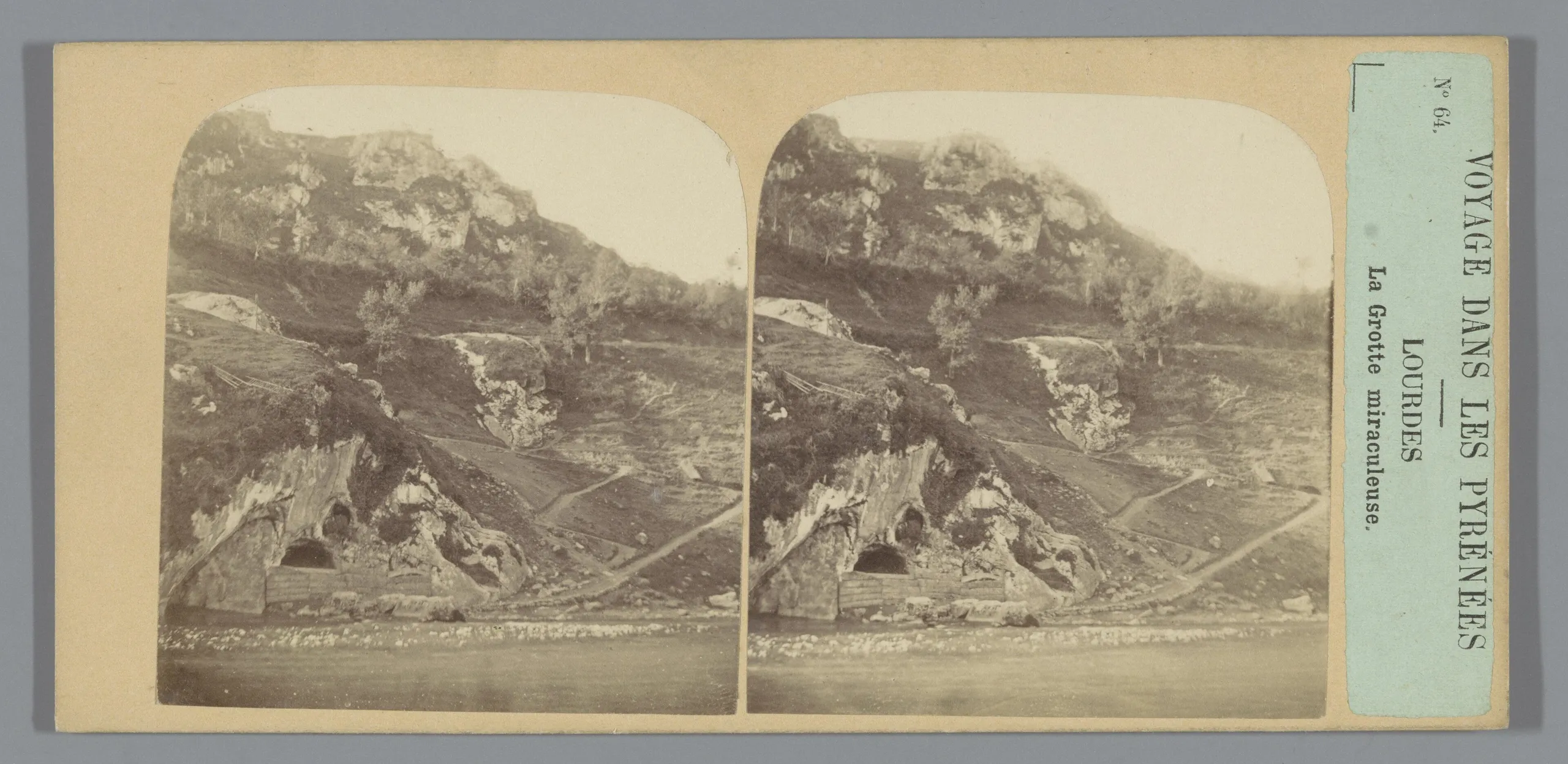
On 11 February 1858, Bernadette Soubirous, the fourteen-year-old daughter of a poor miller, was gathering firewood near the grotto of Massabielle outside Lourdes, in the French Pyrenees. She saw a young Lady dressed in white, with a blue sash, a yellow rose on each foot and a rosary on her arm. Bernadette took out her own rosary and began to pray. Between February and July she reported eighteen apparitions.
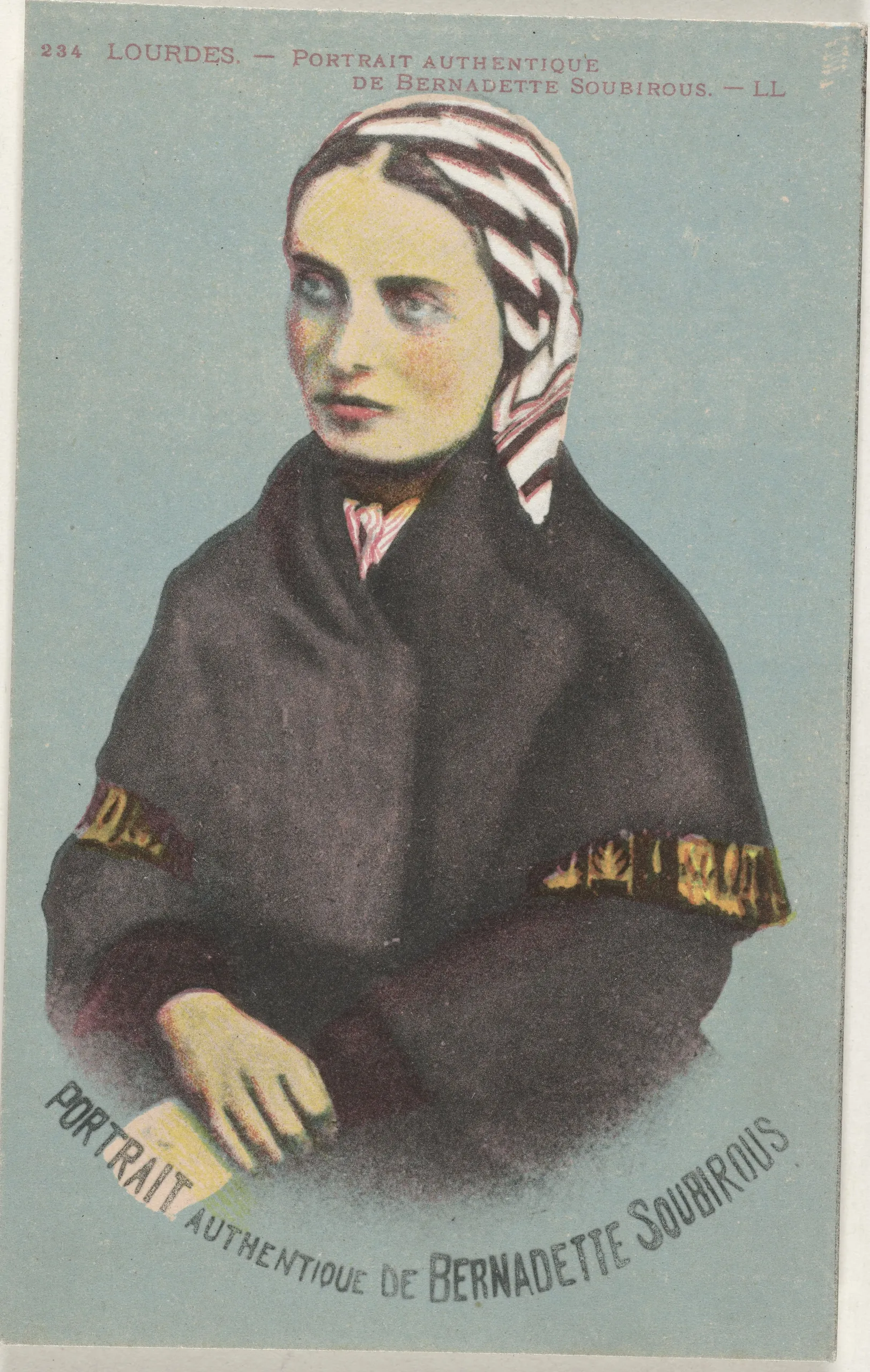
Bernadette recalled that the Lady let the beads slip through her fingers as the girl prayed, joining in aloud only at the Glory Be. On 25 March, asked her name, she answered in the local dialect: 'Que soy era Immaculada Councepciou', 'I am the Immaculate Conception', four years after Pius IX had defined that dogma. The bishop of Tarbes recognized the apparitions in 1862. Bernadette became a sister at Nevers and was canonized in 1933.
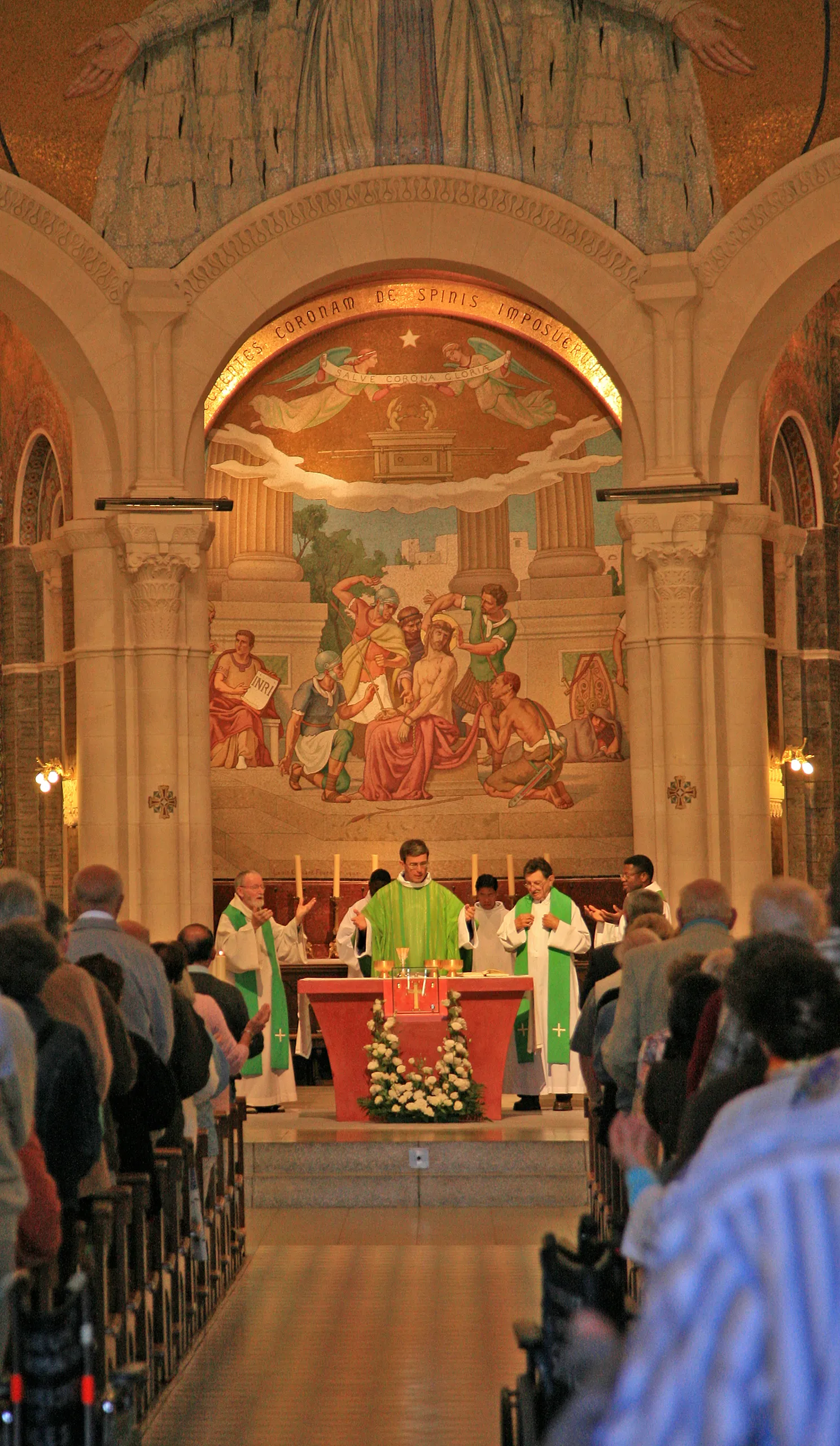
Lourdes became one of the world's great places of pilgrimage. Above the grotto rise three churches, one upon another; the lowest, the neo-Byzantine Rosary Basilica, was built between 1883 and 1889 and consecrated in 1901. Its fifteen side chapels, one for each of the traditional mysteries, were adorned with mosaics. Every evening from spring to autumn, pilgrims gather for the torchlight procession, praying the Rosary in many languages.