Origins
From the Psalter to the Beads
The early and medieval Church
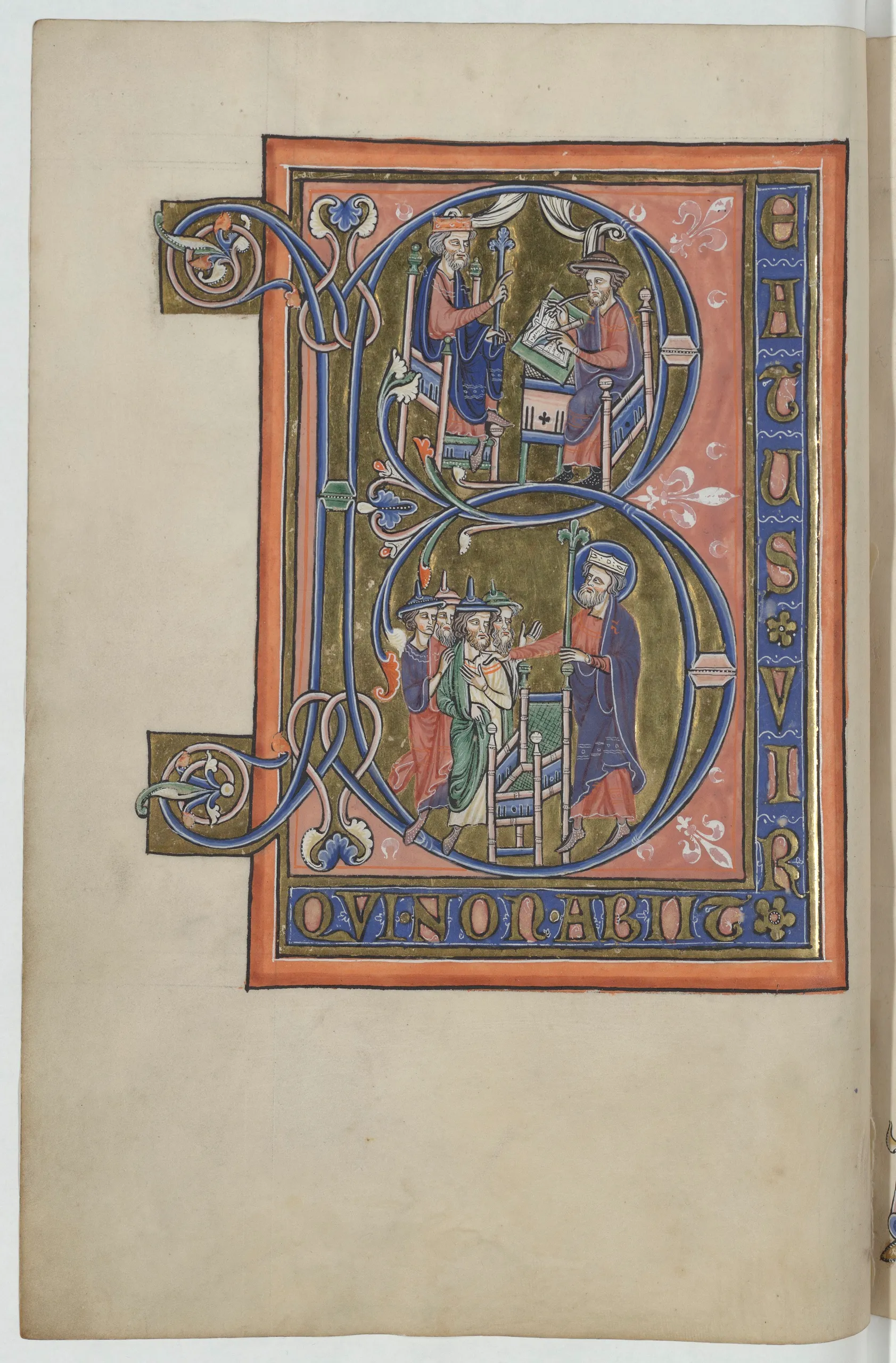
For centuries, monks and nuns prayed all 150 Psalms each week, chanting them in choir through the hours of the day and night. The Psalter was the great school of Christian prayer. Yet most lay people could not read, owned no books and knew little Latin beyond a few prayers learned by heart. How could they share in this unceasing praise? The answer, worked out slowly over several centuries, would one day become the Rosary.
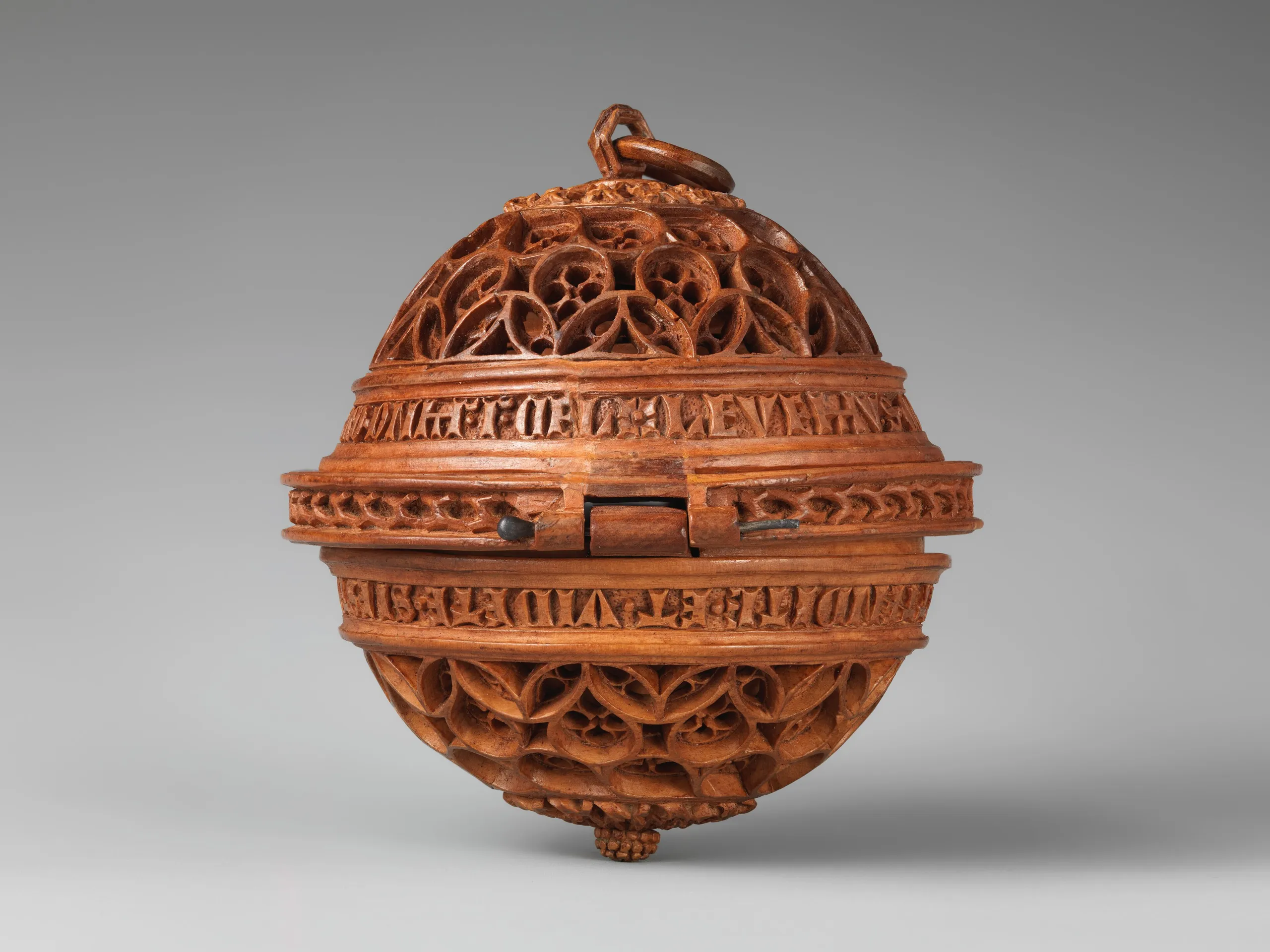
Counting prayers is an ancient practice. In the fourth century a desert monk named Paul was said to recite three hundred prayers a day, setting aside a pebble for each. In the medieval West, those who could not read the Psalter prayed 150 Our Fathers instead, counted on strings of beads called 'paternosters'. London's bead-makers gave their name to Paternoster Row, and Lady Godiva of Coventry bequeathed a circlet of gems on which she had counted her prayers.
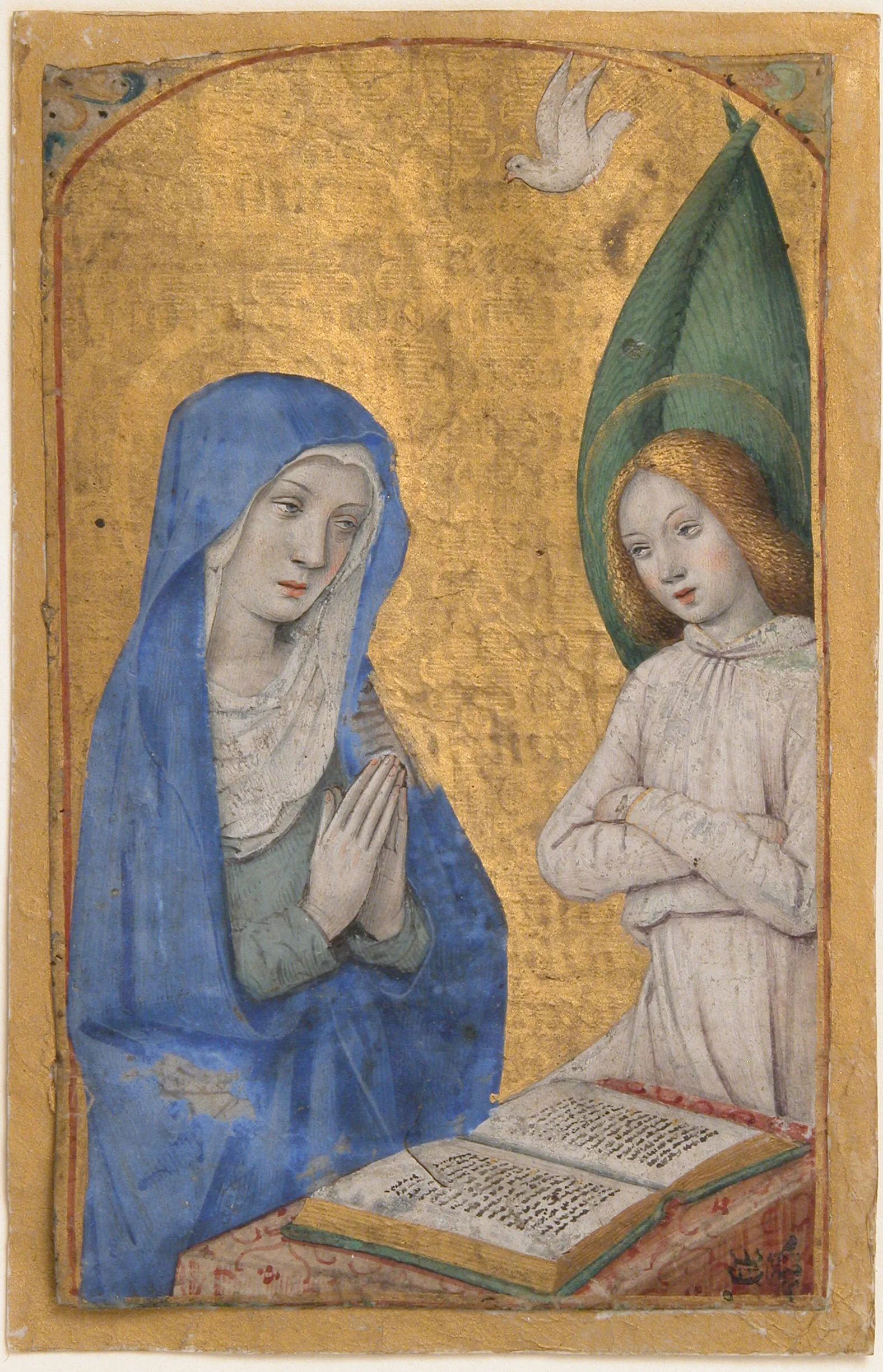
By the twelfth century the Angelic Salutation, the greeting of Gabriel and of Elizabeth to Mary (Luke 1:28, 42), had become a common prayer, and devout people began to repeat it in fifties, or in sets of 150 called 'Our Lady's Psalter'. The name of Jesus was added later in the Middle Ages. The closing petition, 'Holy Mary, Mother of God, pray for us sinners', spread in the fifteenth century and was fixed in the Roman Breviary of 1568.